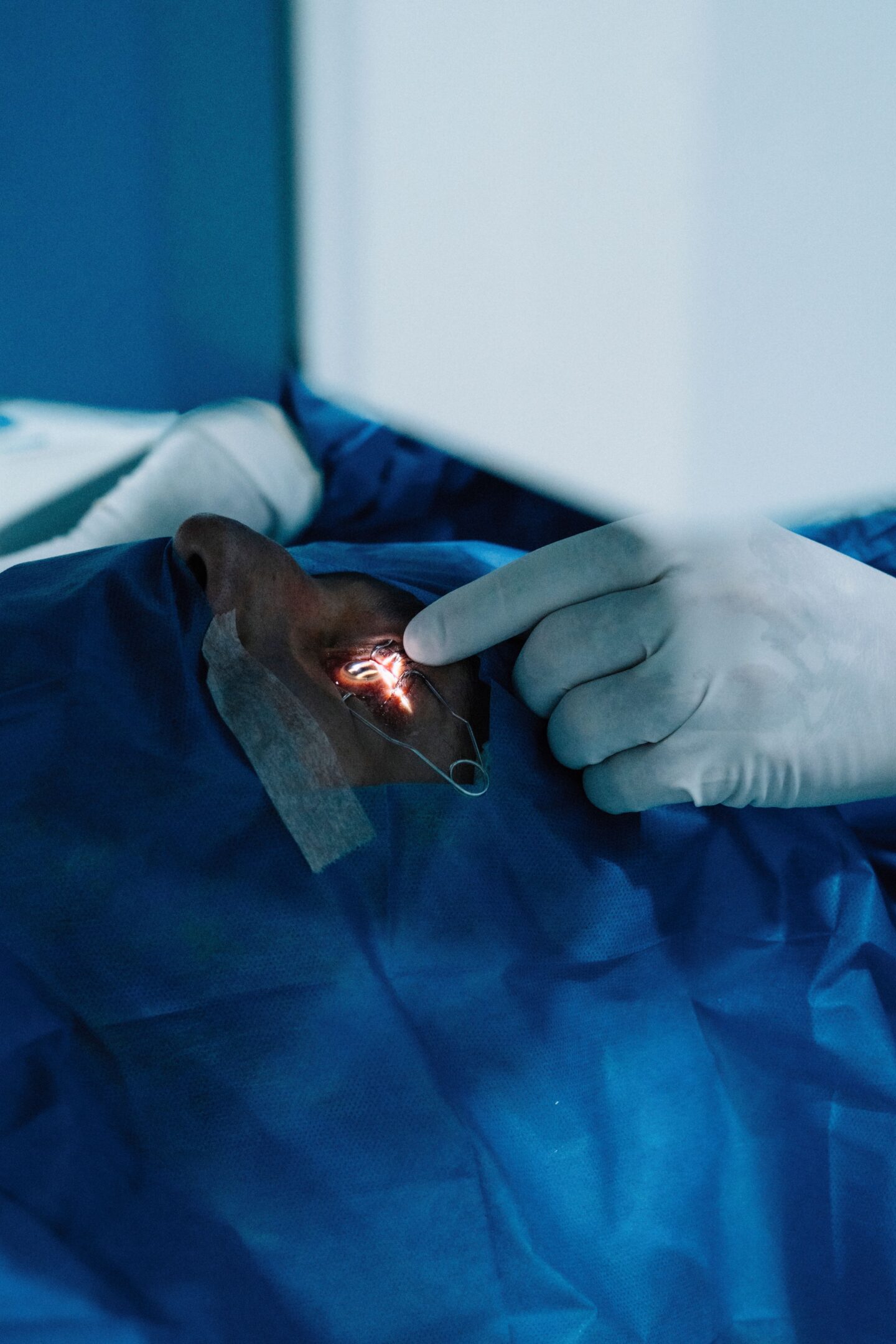
What Happens During Cataract Surgery? A Step-by-Step Guide
If you’ve been diagnosed with a cataract and your eye care specialist has recommended surgery, you might feel some anxiety about the procedure. That’s completely natural. Eye surgery can seem daunting, especially if you’ve never had surgery before, and it’s natural to want to understand exactly what will happen.
The good news is that cataract surgery is one of the most commonly performed and successful procedures worldwide. Millions of people undergo it every year with excellent outcomes. Understanding each stage of the procedure-from arrival at the clinic through to recovery at home-can significantly reduce uncertainty and help you feel more confident and prepared.
This guide walks you through exactly what happens during cataract surgery, what you’ll experience at each stage, what you might see or feel, and what happens immediately after the procedure. By the end, you’ll have a clear picture of the entire experience.
Quick Answer: What Happens During Cataract Surgery?
Cataract surgery involves removing your eye’s cloudy natural lens and replacing it with an artificial intraocular lens (IOL). The procedure typically takes 15–30 minutes, is performed using local anaesthetic (numbing drops), and patients usually return home the same day. You’ll remain awake and comfortable throughout, and most patients experience little to no pain-just mild pressure or sensation. Vision improvement begins within days and continues improving over weeks as your eye heals.
Before Surgery: Preparing for Your Procedure
Your cataract surgery journey begins long before you arrive at the clinic on surgery day. Preparation is essential to ensure your procedure is personalised to your individual vision needs and that everything goes smoothly.
What Happens on the Day of Surgery?
Arrival and registration:
You’ll be asked to arrive at the clinic or hospital 30–60 minutes before your scheduled surgery time. You’ll check in at reception, confirm your details, and complete any final paperwork. Don’t eat or drink before surgery as instructed by your team-this is an important safety precaution.
Pre-operative checks:
Nursing staff will check your vital signs (blood pressure, heart rate, oxygen levels) to ensure you’re in good health for surgery. They’ll also confirm your medical history, current medications, and any allergies. This is important for your safety.
Consent discussion:
Your surgeon may meet with you briefly to confirm your understanding of the procedure and answer any final questions. This is your opportunity to voice any concerns or ask for clarification on anything you’re uncertain about.
Preparation area:
You’ll be moved to a preparation area where you’ll change into a surgical gown and remove jewellery, glasses, and contact lenses. Staff will instil dilating eye drops to enlarge your pupil-this allows your surgeon better access to your lens during surgery. You may be given mild sedation (a relaxing medication) depending on your preference and your surgeon’s recommendation, though many patients remain fully awake without it.
Journey to the operating theatre:
You’ll be wheeled to the operating theatre on a trolley. The theatre may feel cool and brightly lit, and you’ll see medical equipment around you. This is all normal. Your surgical team will be there to welcome you and help you feel comfortable.
Step 1: Numbing the Eye with Anaesthetic
As you’re positioned under the operating microscope, your surgeon will instil numbing anaesthetic drops into your eye. These drops prevent pain during surgery while keeping you awake and comfortable.
Understanding local anaesthetic:
Local anaesthetic works by blocking pain signals in your eye while leaving you fully conscious. This is ideal for cataract surgery because it allows you to remain relaxed, follow your surgeon’s instructions (like “look up” or “look to the left”), and communicate if you have any concerns. You won’t feel the surgery happening.
Will I Be Awake During Cataract Surgery?
Yes, you’ll remain awake throughout the procedure. This is completely normal and actually beneficial for several reasons:
Why surgeons prefer patients awake:
- You can follow instructions to look in specific directions, helping your surgeon access the lens optimally
- You can communicate if anything feels uncomfortable
- There are fewer risks associated with local anaesthetic compared to general anaesthetic
- Recovery is faster
- You avoid the grogginess that comes with general anaesthetic
What “awake” means: Being awake doesn’t mean experiencing pain or discomfort. The numbing drops ensure you won’t feel pain. You’ll be conscious and aware of what’s happening around you, but you’ll feel relaxed and comfortable. Many patients describe feeling calm and even peaceful during the procedure.
Mild sedation option:
Some patients opt for mild sedation, a relaxing medication given intravenously that makes you feel drowsy but keeps you responsive. If you’re very anxious about surgery, discuss sedation options with your anaesthetist-it’s a perfectly reasonable choice and can help you feel more relaxed.
Step 2: Creating a Small Opening in the Eye
Once your eye is numb and dilated, your surgeon will create a small incision to access the lens. This is one of the most significant advances in modern cataract surgery-the incisions are remarkably tiny.
The incision:
Modern cataract surgery typically uses an incision of 2.2–3mm (smaller than a grain of rice). Your surgeon makes this opening at the edge of the cornea (the clear front surface of your eye), where it causes minimal disruption to the eye’s structure.
Why such a small incision?
- Minimises trauma to your eye
- Allows faster healing
- Usually self-sealing (doesn’t require stitches)
- Reduces astigmatism (irregular focusing) risk
- Supports better post-operative vision outcomes
What you might experience:
You may feel mild pressure or a slight sensation as the incision is made, but not pain. Some patients describe a feeling of slight pressure or “tugging,” which is completely normal. Your surgeon will work carefully and professionally, and staff will be monitoring you throughout.
Step 3: Removing the Cataract
With the incision created, your surgeon now needs to remove your cloudy natural lens. Modern surgery uses a technique called phacoemulsification-a sophisticated technology that breaks the cataract into tiny, manageable fragments.
How phacoemulsification works:
Your surgeon inserts a specialised handpiece (about the thickness of a pen) through the incision. This handpiece uses ultrasound energy-essentially high-frequency vibrations-to gently break up the hard, cloudy lens into tiny fragments. These fragments are then suctioned away through the same handpiece. It’s a remarkably elegant and effective technique.
Why this approach?
- Allows removal through a very small incision
- Precise control of energy delivery
- Minimal trauma to surrounding eye tissue
- Fast and efficient
What Will I See or Feel During This Part?
This section addresses information often missing from patient guides, and it’s important because managing expectations reduces anxiety.
What you might see:
- Bright lights (from the surgical microscope)
- Colours or light patterns
- Movement or shadows
- Blurriness or haze
These visual impressions are completely normal and temporary. Your eye is flooded with irrigating fluid to protect it, and the bright light needed for the surgeon to see clearly means your vision will be obscured.
What you might feel:
- Pressure (the most common sensation)
- Mild vibration (from the phacoemulsification handpiece)
- Water movement inside your eye
- Tugging or pulling sensations
Important: You should not feel pain. If you experience sharp pain, inform your surgeon immediately. They can provide additional anaesthetic. Mild pressure and tugging sensations are normal and expected, but pain is not.
Why you feel these sensations:
Even though your eye is numb to pain, you can still feel pressure and movement because your eye has sensory nerves that detect these (different from pain-sensing nerves). This is actually helpful-it allows you to communicate with your surgeon if something feels wrong.
Step 4: Implanting the New Intraocular Lens (IOL)
Once the cloudy lens is completely removed, the space where your natural lens sat is empty. Your surgeon now inserts the artificial intraocular lens to replace it.
How the IOL is inserted:
The IOL is folded into a very compact shape so it can fit through your small incision. Your surgeon uses a specialised injector device to carefully guide the folded lens through the opening. Once inside your eye, the lens gradually unfolds and settles into the lens capsule (the membrane that previously held your natural lens).
Positioning the lens:
For most IOLs, positioning is straightforward-the lens naturally settles into place. However, if you’re having a toric IOL (designed to correct astigmatism), your surgeon will carefully align the lens to a specific angle for optimal astigmatism correction. This is why accurate measurements before surgery are so important.
Once in place:
The IOL becomes a permanent part of your eye. It won’t move, shift, or need replacement. It’s designed to last your entire lifetime, providing permanent vision correction.
For more detailed information about different IOL types and how they work, please see: Intraocular Lenses (IOL): What Are They?
Step 5: Completing the Procedure
As your surgeon completes the final steps, your procedure is nearly finished.
Final checks:
Your surgeon inspects the eye to ensure the IOL is properly positioned and that everything looks healthy. They may check the pressure inside your eye to ensure it’s normal.
Removing fluid:
If needed, any excess fluid inside your eye is gently removed or allowed to drain naturally. This helps maintain appropriate eye pressure.
Closing the incision:
Because modern incisions are so small, they typically seal themselves without stitches. Your surgeon may instil additional medications or protective substances to support healing. In rare cases where additional closure is needed, absorbable stitches (which dissolve over time) may be used.
Protective shield:
Before you leave the operating theatre, your surgeon will place a protective shield over your eye. This protects your eye from accidental rubbing or bumping during the vulnerable early healing phase.
How Long Does Cataract Surgery Take?
The actual surgery typically takes 15–30 minutes. However, it’s important to understand the difference between surgical time and total clinic time.
Surgical time (15–30 minutes): This is the time your eye is actually being operated on-from the first incision through to lens implantation and closure.
Total clinic time (3–4 hours typically): This includes:
- Pre-operative checks and preparation (30–60 minutes)
- Dilating drops and waiting (30–60 minutes)
- Surgery itself (15–30 minutes)
- Recovery room observation (30–60 minutes)
- Final checks and discharge instructions
Why the total time is longer:
Your eye needs time to respond to anaesthetic drops, and your surgeon’s schedule means you may wait between appointments. After surgery, you need recovery room observation to ensure you’re responding well and have no immediate complications. This comprehensive approach ensures your safety.
Individual variation:
Some surgeries take longer than others depending on:
- Cataract density (harder cataracts take slightly longer to remove)
- Eye health (certain conditions may require more careful technique)
- IOL type (some require more precise positioning)
- Individual anatomy
Your surgeon can give you a more specific timeframe based on your individual situation during your pre-operative consultation.
Is Cataract Surgery Painful?
This is one of the most common concerns patients have, and it deserves a clear, honest answer: Most patients report little to no pain during cataract surgery.
Understanding pain versus sensation:
It’s important to distinguish between pain and other sensations. Pain is a sharp, harmful sensation. What you might feel during surgery-pressure, tugging, mild vibration-is not pain. It’s sensation without discomfort.
What patients commonly report:
In surveys and conversations, most cataract surgery patients report:
- No pain (the most common answer)
- Mild pressure sensations
- Awareness of movement or tugging
- Brightness from the surgical light
- Occasional mild discomfort (rare)
If you do experience pain:
If at any point during surgery you experience sharp pain, inform your surgeon immediately. They can provide additional numbing medication. Pain during cataract surgery is unusual and indicates something needs adjustment-speak up if it happens.
Managing anxiety:
If you’re anxious about the procedure, remember:
- Local anaesthetic is very effective
- Your surgical team is experienced and professional
- You can communicate at any point
- Mild sedation is available if you need it
- The procedure is very quick
Many patients find that the anticipation before surgery is worse than the actual experience. Once you’re in the operating theatre and the procedure begins, most patients feel calm and reassured.
What Happens Immediately After Cataract Surgery?
Your surgery is complete, and you’re moved to the recovery room. Here’s what to expect:
Recovery room:
You’ll be positioned comfortably and given time to recover from any sedation. Nursing staff will monitor your vital signs and check how you’re feeling. You’ll wear your protective eye shield, and your eye may have a bandage or patch over it.
Visual experience immediately after:
Your vision will be very blurry immediately after surgery. This is normal-your eye is swollen from surgery, and there’s fluid inside your eye. As swelling reduces and fluid is reabsorbed, clarity gradually improves over days and weeks.
What you might feel:
- Mild irritation or grittiness
- Watery eyes
- Light sensitivity
- Mild discomfort (not severe pain)
- Slight ache around the eye
These sensations are normal parts of healing and usually improve with time and prescribed eye drops.
Post-operative checks:
Before discharge, your surgeon or nurse will:
- Check your eye pressure
- Assess your vision (even though it’s blurry)
- Confirm your eye is healing normally
- Give you detailed aftercare instructions
When Can I Go Home?
Most patients go home on the same day of surgery. You’ll typically be discharged 1–2 hours after your surgery is complete, once you’ve recovered from any sedation and post-operative checks are finished.
Important discharge requirements:
- Arrange transport: You must have someone drive you home. You won’t be safe to drive, especially if you’ve had sedation
- Have a responsible adult with you: Ideally, someone should stay with you for the first few hours at home
- Follow aftercare instructions: You’ll receive detailed written and verbal instructions on eye drop use, activity restrictions, and when to contact your surgeon
What to expect at home:
Your eye will continue improving. Vision remains blurry initially but gradually clears over days and weeks. You’ll use prescribed eye drops regularly and follow activity restrictions. Attend all follow-up appointments as scheduled
What Happens During Recovery?
Recovery from cataract surgery progresses gradually. Here’s a high-level overview:
First week:
- Vision improves noticeably but remains somewhat blurry
- Mild discomfort improves with continued eye drops
- Light sensitivity gradually decreases
- You can resume light activities
Weeks 2–4:
- Vision continues improving significantly
- Most patients see substantial clarification
- You can return to work and light exercise
- Light sensitivity usually resolves
4–6 weeks:
- Vision stabilises toward its final level
- Most patients can return to normal activities
- Eye drop frequency typically decreases
3+ months:
- Full visual stabilisation
- Your eye is completely healed
For detailed information on recovery timelines, activity restrictions, and when specific activities like driving are safe, please see our comprehensive recovery guide: Recovery After Cataract Surgery: What To Expect
Warning Signs to Watch For
While complications from cataract surgery are rare, knowing when to seek medical attention is important. Contact your surgeon immediately if you experience:
- Increasing pain: Mild discomfort is normal; worsening pain is not
- Sudden vision loss: A dramatic decrease in vision warrants urgent evaluation
- Increasing redness: Mild redness is normal; progressive increase could indicate infection
- Significant discharge: Mild watery discharge is normal; thick or coloured discharge suggests infection
- Swelling that worsens: Mild eyelid puffiness is normal; increasing swelling should be reported
- Flashing lights or new floaters: These could indicate retinal problems requiring urgent attention
Early reporting of concerning symptoms ensures prompt attention to any genuine issues.
Cataract Surgery Success Rates and Outcomes
Cataract surgery is considered one of the safest and most successful surgical procedures available.
Success rates:
Modern cataract surgery has success rates exceeding 95% for achieving improved vision. The vast majority of patients experience significant improvement in their vision and quality of life.
Typical improvements:
Most patients report:
- Dramatically improved vision clarity
- Reduced glare and improved contrast
- Restored ability to drive safely
- Return to hobbies and activities
- Significantly improved quality of life
Individual outcomes vary:
Your specific outcome depends on:
- Your overall eye health
- The type of IOL selected
- How your individual eye heals
- Your pre-operative expectations
Your surgeon can discuss realistic outcomes for your individual situation during your consultation.
Frequently Asked Questions
Can You Blink During Cataract Surgery?
No, but that’s not a problem. Your surgeon will gently hold your eyelids open with a small speculum (a gentle retractor), preventing blinking during the procedure. This is completely safe and comfortable-you don’t need to consciously control blinking. Many patients don’t even notice the speculum once it’s in place.
Can I Move My Eye During Cataract Surgery?
Your eye may move slightly during surgery, and that’s fine. Your surgeon is experienced at working with natural eye movements. However, it’s helpful to try to keep your eye relatively still and follow your surgeon’s verbal instructions (like “look up” or “look to the left”). If significant eye movement occurs, your surgeon can use techniques to stabilise your eye and ensure optimal surgical outcomes.
How Soon Will I Notice Improved Vision?
Vision improvement begins within days. Most patients notice noticeable improvement within the first week, with gradual continued improvement over 4–6 weeks. However, immediately after surgery, vision is very blurry-this is temporary. Full visual stabilisation typically takes 4–6 weeks.
Can Cataracts Come Back After Surgery?
No, cataracts do not return because your natural cloudy lens has been removed and replaced with an artificial lens. However, some patients develop a complication called posterior capsule opacification (PCO), where the membrane that holds the IOL becomes cloudy over months or years. This is easily treated with a simple laser procedure if it significantly affects your vision-this is not considered cataract recurrence but rather a treatable side effect.
Is Cataract Surgery Safe?
Yes, cataract surgery is very safe. Serious complications are rare (less than 1–2% of patients experience significant complications). The most common post-operative issues are minor and easily managed with eye drops and time. Your surgical team takes extensive precautions to ensure your safety throughout the procedure.
Conclusion
Cataract surgery is a remarkably safe, quick, and effective procedure. Understanding what happens at each stage-from arrival at the clinic through to your return home-helps reduce anxiety and allows you to approach surgery with confidence.
Key takeaways:
- Cataract surgery typically takes 15–30 minutes and is performed under local anaesthetic
- You’ll remain awake and comfortable throughout the procedure
- Most patients experience little to no pain-just mild pressure and sensation
- Vision is very blurry immediately after surgery but improves gradually over days and weeks
- The procedure has excellent success rates, with most patients experiencing dramatic vision improvement
- Recovery progresses predictably, with most normal activities resumable within weeks
If you have specific concerns or questions about your upcoming surgery, discuss them with your eye care specialist. They can provide personalised information based on your individual situation and help ensure you feel confident and prepared for your procedure.
Ready for your cataract surgery? Your eye care team is here to support you through every stage of the process. Don’t hesitate to ask questions-they’re there to ensure your experience is smooth, safe, and successful.